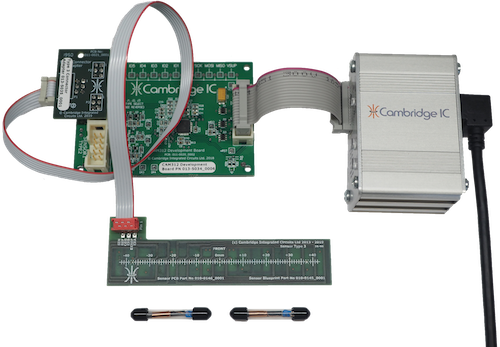
The Axial Sensor Development Kit contains parts for evaluating and developing with CambridgeIC’s Axial sensing technology.
CambridgeIC’s Axial sensors are linear position sensors that report the position of a target that can rotate around an axis that points in the measuring direction.
This kit includes a 78mm Type 3.2 Axial Sensor Assembly, sample targets, a CAM312 Development Board for processing and a CTU adapter to connect the board to a PC over USB.
CambridgeIC CTU software (available for Windows 10 PCs) takes measurements and allows customers to view and analyse results.
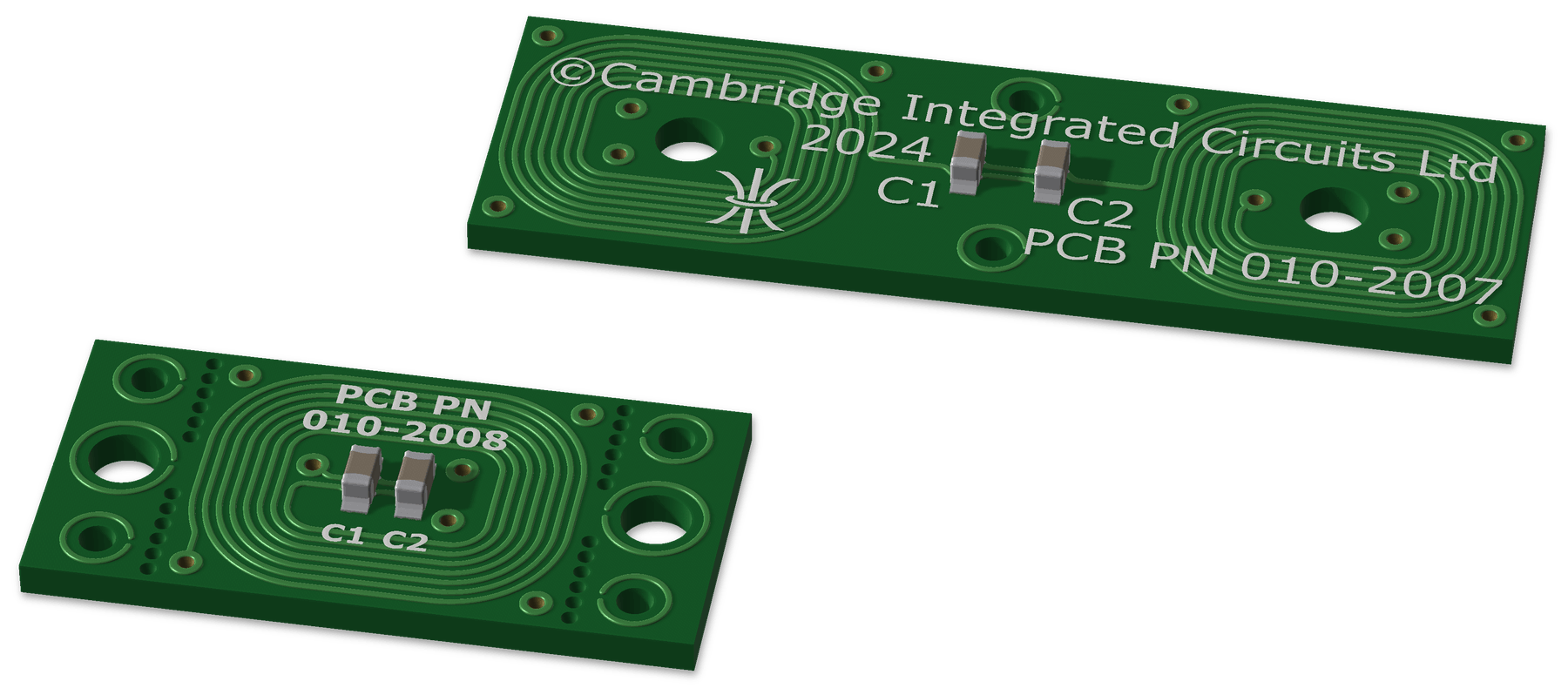
Type B Targets work only with the CAM622. They are mounted to a linearly moving part, and work in combination with matching Type B Linear Sensors.
Type B Targets and Sensors both comprise coils printed on a PCB. This makes them precise, repeatable, robust and cost effective.
Targets include a printed inductor and two SMD capacitors to form a resonant circuit. The Single Lobe Type B Target comprises a single coil lobe and is for use with B6 Linear Sensors having measuring lengths up to 100mm. The Double Lobe Type B Target comprises two connected coil lobes, for additional signal level, and is for use with B12 and B16 Linear Sensors having measuring lengths greater than 100mm.
Type B Linear Targets and their matching Sensors can be tightly integrated with metal parts in a customer’s product. Screening material allows them to fit in as little as a 3mm high gap between parallel aluminum parts. Please see the application note available at the link below for more details.
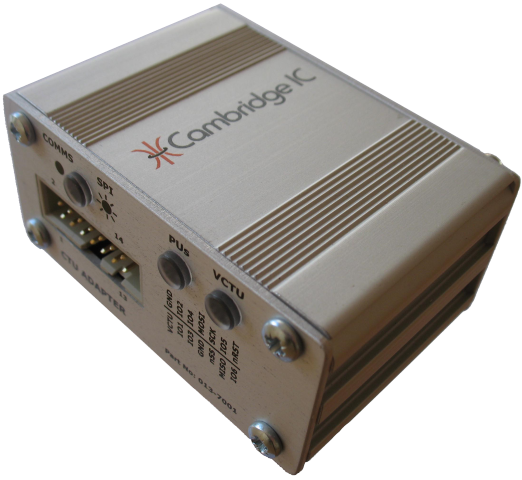
For demonstration, test and development purposes, it is convenient to communicate with CTU chips using a PC. The CTU Adapter converts between the SPI interface of CTU chips and the USB interface of a PC.
The CTU Adapter is an SPI master and the CTU is an SPI slave.
The MultiComms Adapter is recommended in place of the CTU Adapter for new designs. When connected to a PC’s USB port, it allows the PC to run CambridgeIC’s latest CTU Streaming Demo software.
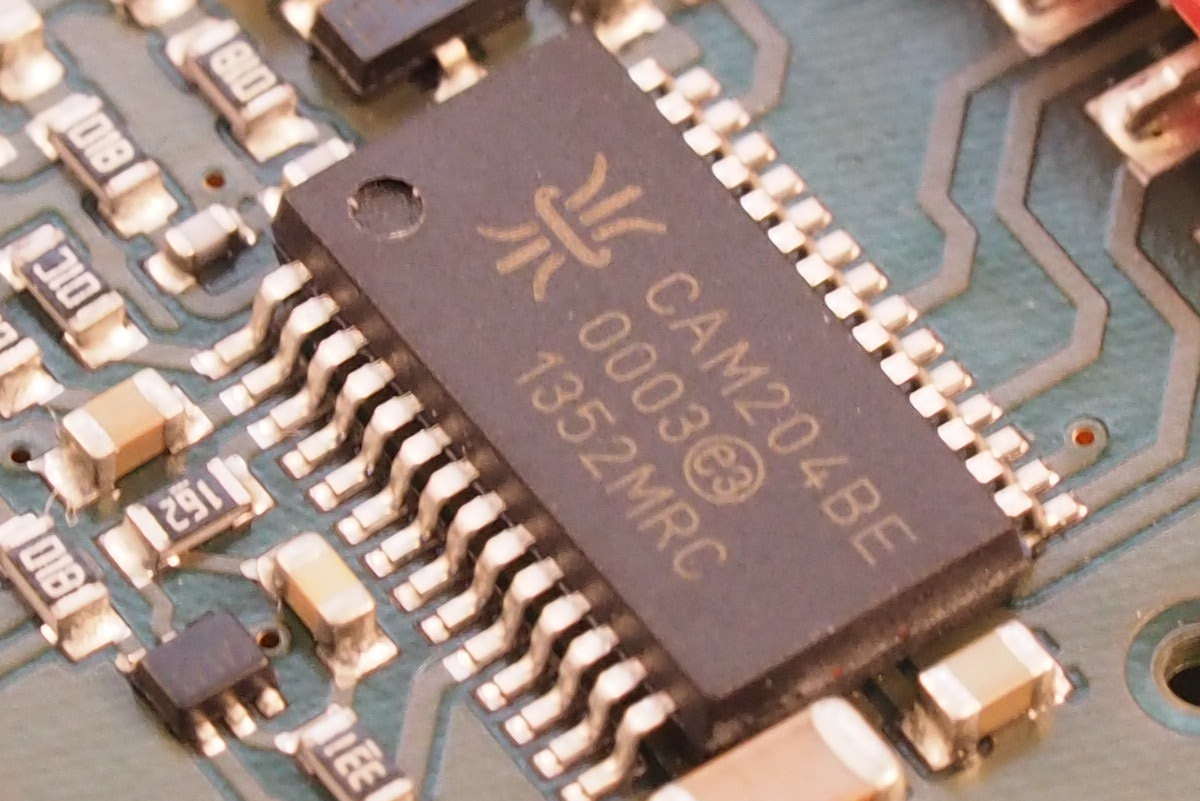
The Type 1 CAM204 Development Board includes a CAM204 chip along with the external circuitry required to operate up to four Type 1 sensors.
The CTU Development Kit includes one Type 1 CAM204 Development Board and is recommended for getting started.
Find out more about how sensors are classified and what this means for CTU selection in our FAQ.
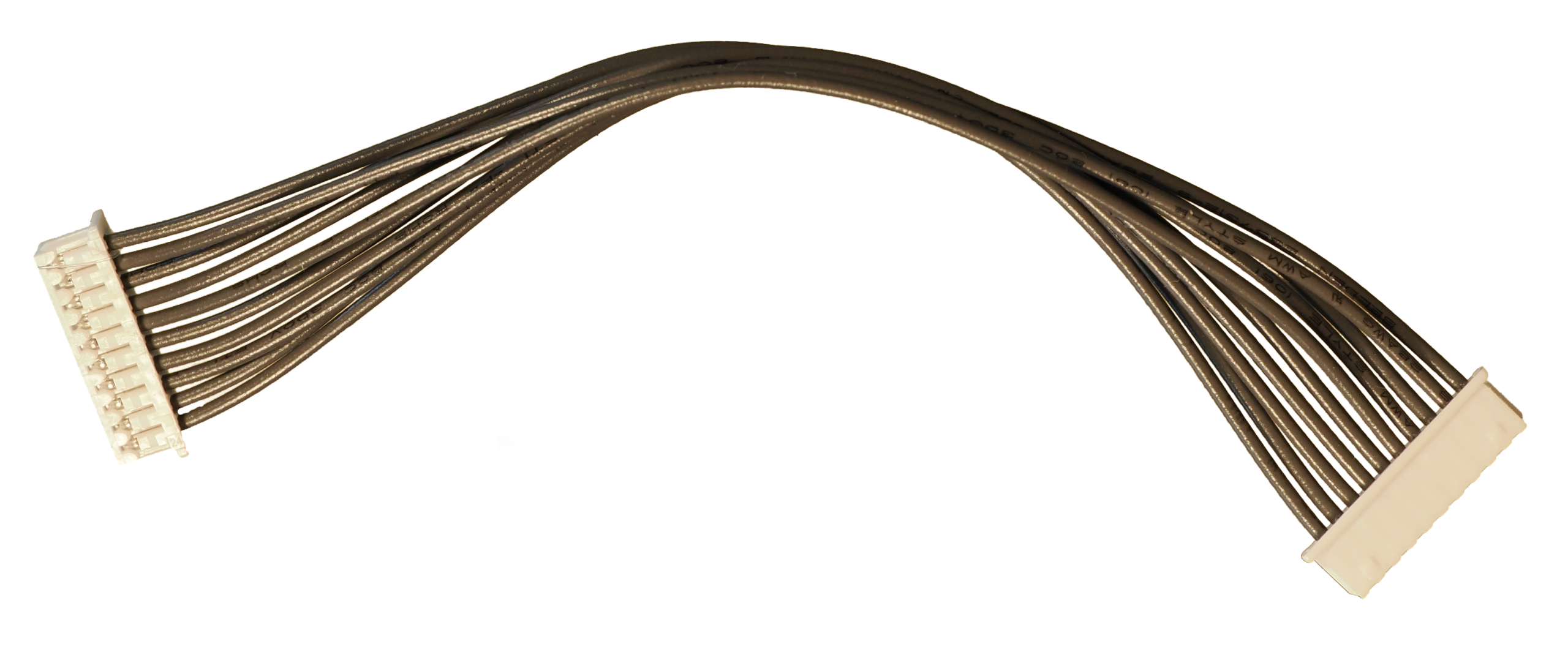
A selection of cable assemblies is available for connecting between assembled sensors and development boards, and for connecting to their SPI interface connector.
| Name | Part No | End A | End B | Length
|
| 6-way Sensor Connecting Cable | 013-6001 | Tyco Micro-MaTch plug 7-215083-6
| IDC header 2×3 0.1”Harting 09185067813 | 300mm
|
60mm 14-way SPI Connecting Cable
| 013-6002 | IDC header 2×3 0.1” Harting 09185147813 | IDC header 2×3 0.1” Harting 09185147813
| 60mm
|
| 6-way PicoBlade Sensor Cable | 013-6011 | MOLEX PicoBlade 1021-0600 | MOLEX header 2×3 0.1” 22-55-2061
| 300mm
|
8-way PicoBlade Sensor Cable
| 013-6012 | MOLEX PicoBlade 51021-0800
| MOLEX header 2×5 0.1” 22-55-2101
| 300mm
|
| 6-way M80 Sensor Cable | 013-6013 | Harwin M80-8880605 | MOLEX header 2×3 0.1” 22-55-2061 | 300mm |
| 6-way Dual PicoBlade Cable | 013-6019 | MOLEX PicoBlade 1021-0600 | MOLEX PicoBlade 1021-0600 | 100mm |
| 120mm 6-way PicoBlade-EZMate Cable | 013-6021 | 6-way PicoBlade MOLEX 51021-0600 | 6-way Pico-EZmate MOLEX 78172-5006 | 120mm |
| PicoBlade MultiComms Cable | 013-6023 | MOLEX PicoBlade 510210800 | MOLEX PicoBlade 5102108000 | 400mm |
| Dual PicoBlade SPI Cable | 013-6024 | MOLEX PicoBlade 510211000 | MOLEX PicoBlade 510211000 | 80mm |
The Type 3&4 CAM204 Development Board includes a CAM204 chip and the external circuitry for up to 2 Type 4 sensors or 1 Type 3 sensor.
Type 1 sensors may be operated with Type 4 circuitry, so the board is also compatible with up to 2 Type 1 sensors.
Find out more about how sensors are classified and what this means for CTU selection in our FAQ.
The Type 6 CAM204 Development Board includes a CAM204 chip and the external circuitry required for up to 2 Type 6 sensors.
Find out more about how sensors are classified and what this means for CTU selection in our FAQ.
The Type 2 CAM204 Development Board includes a CAM204 chip along with the external circuitry required for a Type 2 sensor.
Find out more about how sensors are classified and what this means for CTU selection in our FAQ.
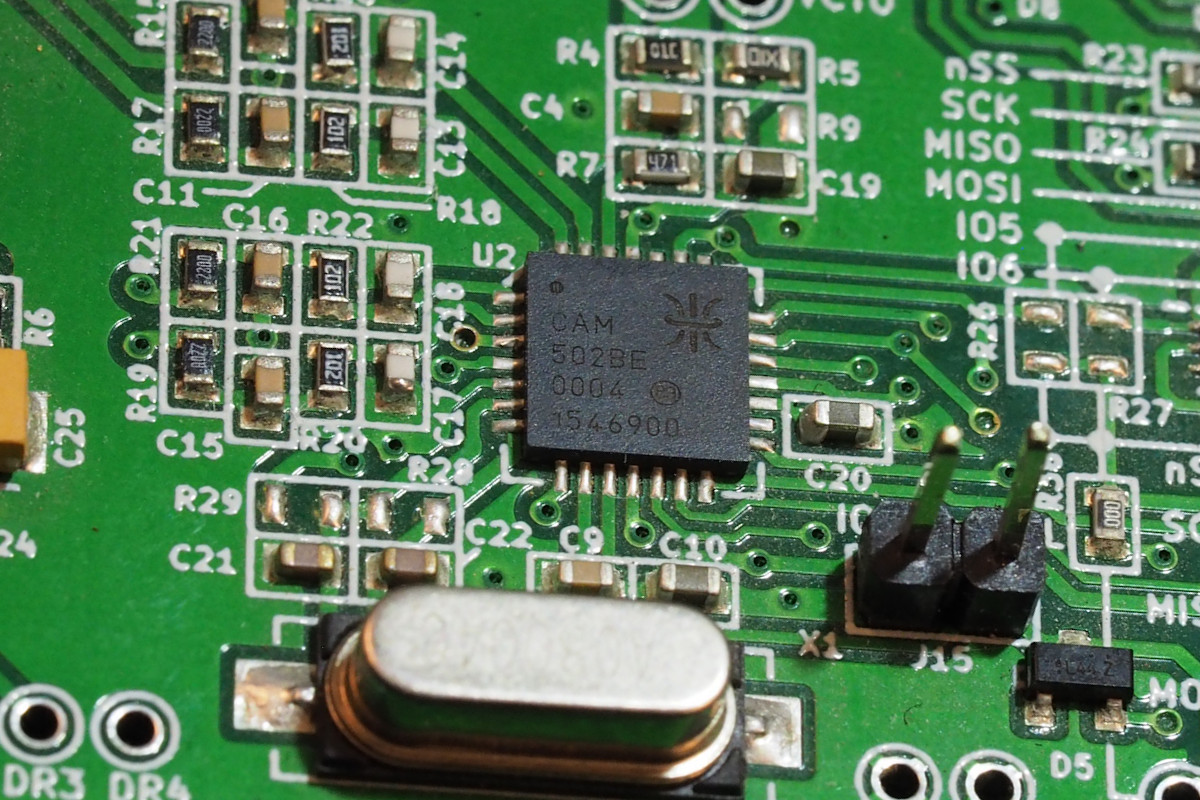
CAM502 Development Board includes a high-speed CAM502 chip and the external circuitry required for operating a Type 2 or Type 6 sensor.
Find out more about how sensors are classified and what this means for CTU selection in our FAQ.
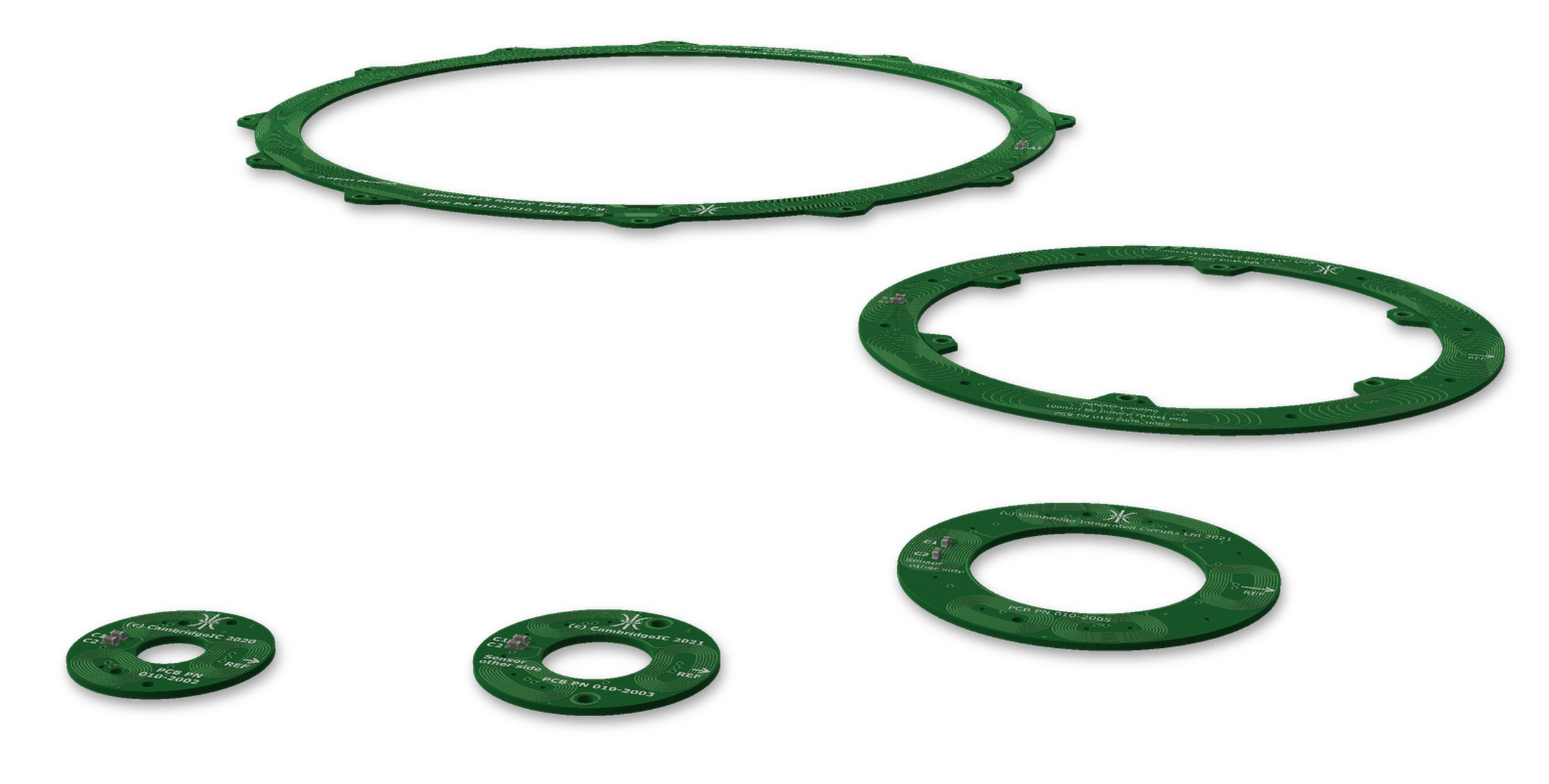
Type B Targets work only with the CAM622. They are mounted to a rotating part, and work in combination with matching Type B Rotary Sensors.
Type B Targets and Sensors both comprise coils printed on a PCB. This makes them precise, repeatable, robust and cost effective.
Sensors and targets both include large central holes that allow a shaft to pass through them.
Targets include a single printed inductor and two SMD capacitors to form a resonant circuit. The printed inductor has a complex pattern which couples with the sensor’s fine and coarse coils. The design is exceptionally well balanced, so that the sensor is highly tolerant of target misalignment and mounting eccentricity.
