
The resonant inductive position sensing pioneers
CambridgeIC’s team started developing resonant inductive position sensing technology in 1994. Unlike traditional inductive position sensors detecting plain metal targets, it detects a resonator inside a target. This delivers higher resolution and accuracy even at big gaps, all without calibration.
Historically, customers wishing to integrate resonant inductive sensors faced two big hurdles: developing cost effective and precise electronic processing, and designing their own sensors. CambridgeIC was founded to address these, by:
- Developing and selling single-chip processors
- Developing a wide range of standard sensor designs
- Developing and selling the tools customers need to embed them into their products.
CambridgeIC is a privately held company based in Cambridge, UK.
-
1994
The technology begins
Our team starts developing resonant inductive position sensing.
-
2007
CambridgeIC is formed
We develop the world’s first stand-alone processing chip for resonant inductive sensors.
-
2016
Queen’s Award
Our first Queen’s Award for International Trade.
-
2018
A second Queen’s Award
Recognition again for sustained growth in international trade.
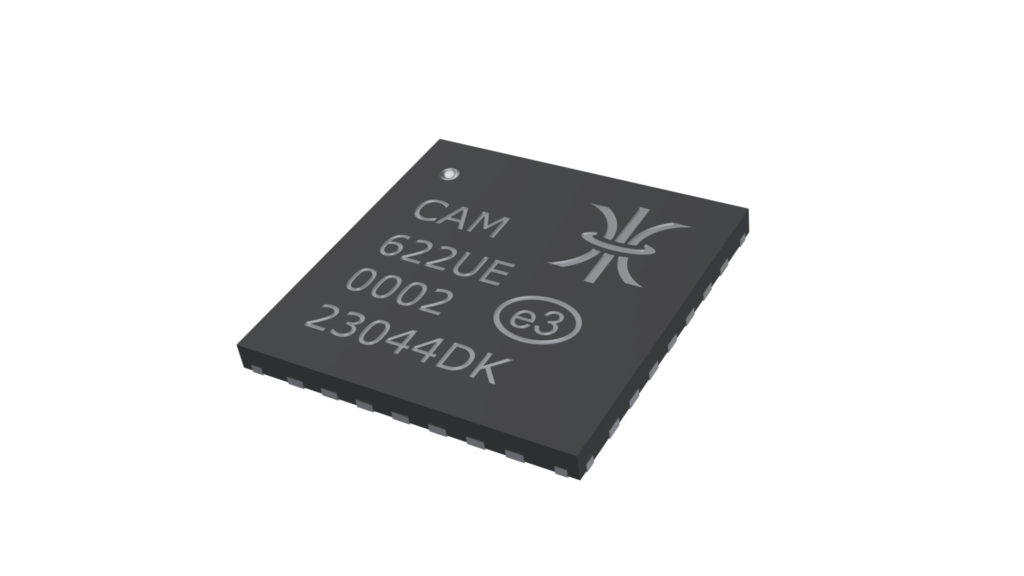
Processing chips and proven sensor designs
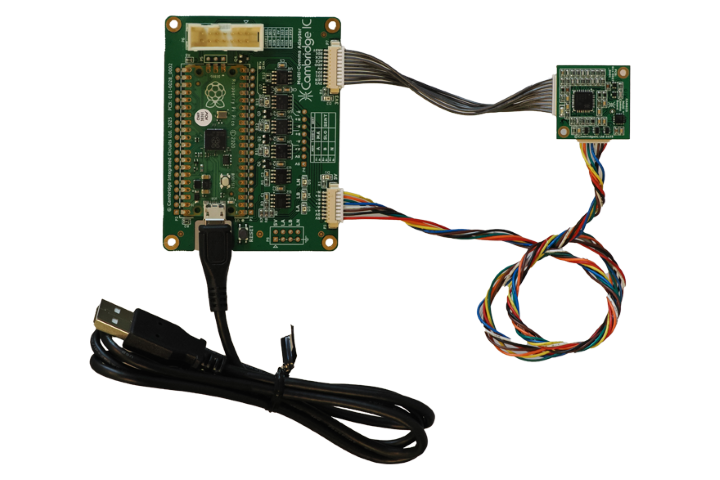
The electronic processing for resonant inductive position sensors is particularly challenging — the motivation for forming CambridgeIC. Customers buy processing chips from us, embed them inside their products and connect them to their choice of sensor.
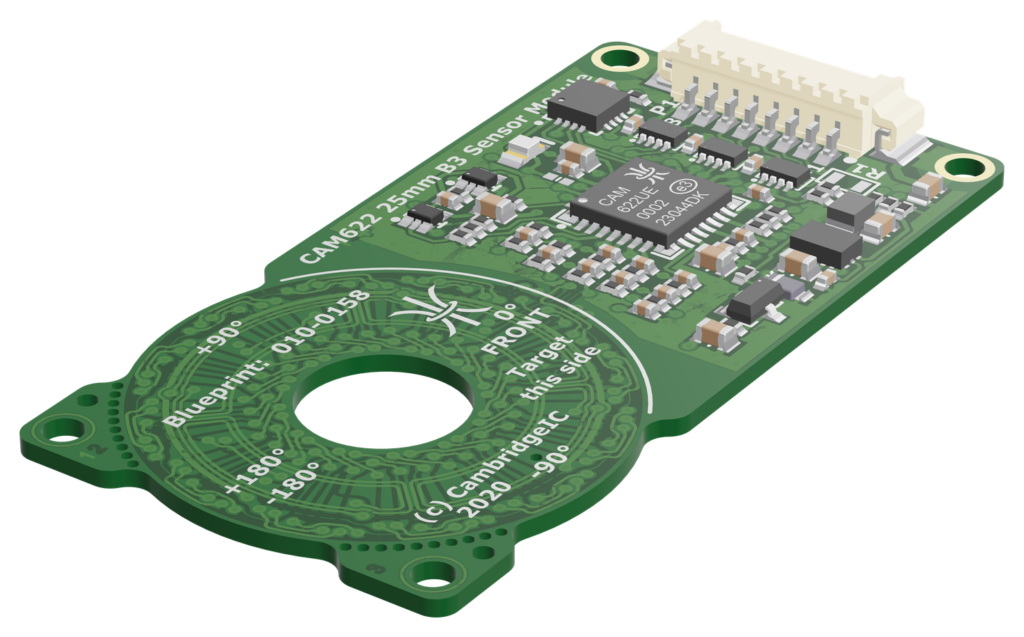
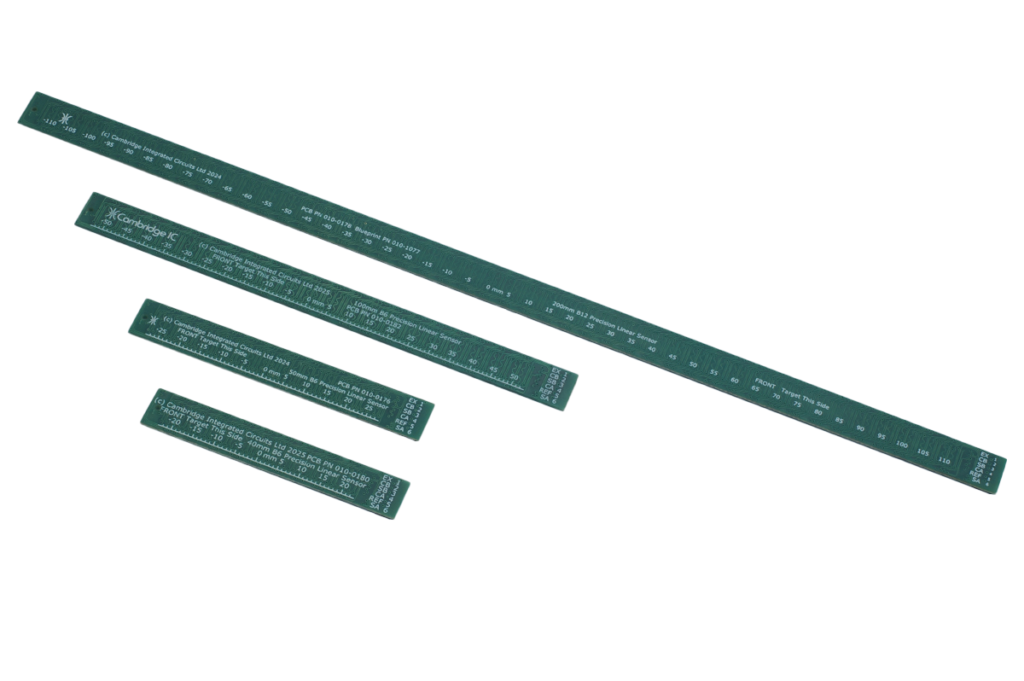
We have developed a range of standard linear, rotary and arc sensor designs that customers can have manufactured themselves using standard PCB fabs.
How the technology works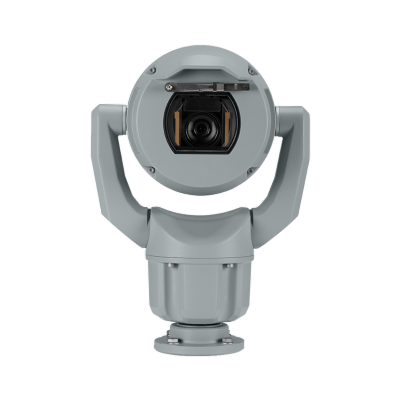
Designers seeking an innovative edge
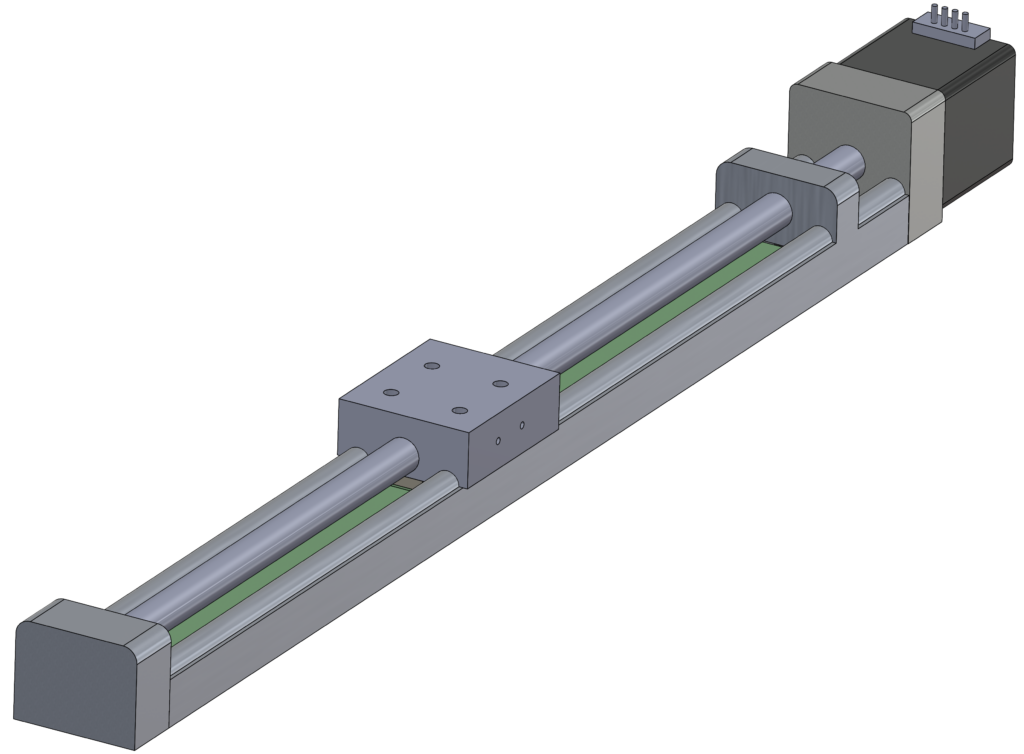
Our customers are designers of intelligent electromechanical products seeking an innovative edge. Their products are manufactured in high volumes, so they need to be simple to manufacture and cost effective. As electronics becomes cheaper it is the cost of mechanical parts that comes to dominate. Our products help customers create product designs with simpler mechanics, by eliminating unnecessary bearings, couplings and seals, and by keeping motor sizes to a minimum.
- Medical
- Automotive
- Marine & Submarine
- Surveillance Cameras


Two Queen’s Awards for International Trade
Won in 2016 and 2018. Most importantly, we have helped hundreds of product designers build better products — and there are millions of these in use worldwide today.