CAM312
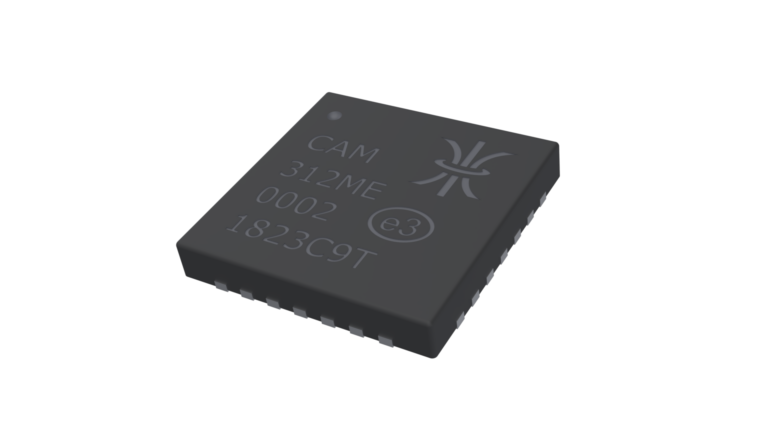
The CAM312 is a cost effective processor IC for resonant inductive position sensing. It can connect to and process up to two sensors, and reports results over an SPI interface.
Read more CAM312
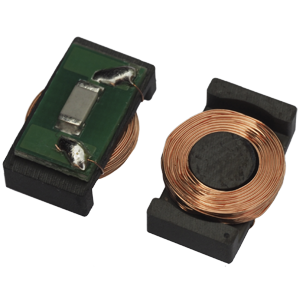
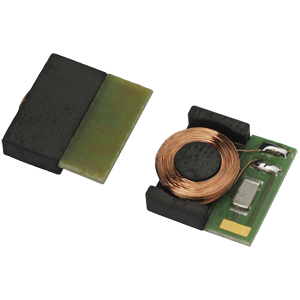
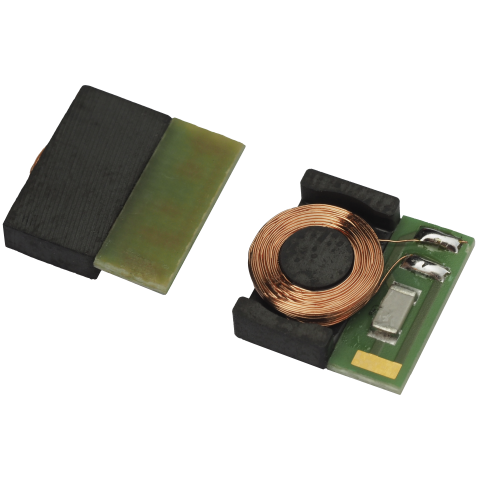
CambridgeIC’s 11mm E-Core Target is optimised for use with Precision Linear Sensors.
The target provides a compact non contact component to mark the position of a moving part on a linear track.
They are available in product variants with the capacitor PCB to the rear or to the side of the ferrite. Product variants with different nominal frequencies are also available, to suit different metal environments.
Registered users get access to the full download library, including CTU Software and sensor blueprints.
The CAM312 is a cost effective processor IC for resonant inductive position sensing. It can connect to and process up to two sensors, and reports results over an SPI interface.
Read more CAM312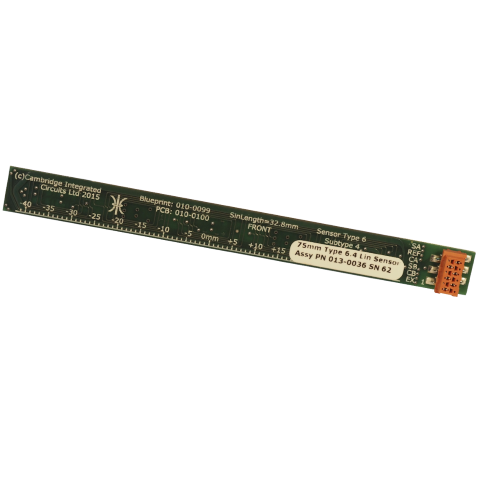
Precision linear sensors offer performance improvements over basic linear sensors. They do this with an additional "fine" set of sensor coils. This fine track delivers high precision and accuracy, while a coarse track delivers an absolute output.
Read more Precision Linear Sensors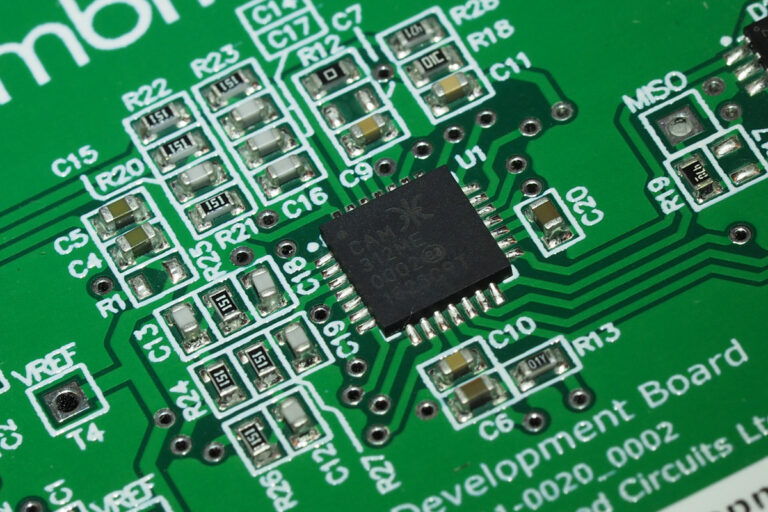
CAM312 Development Board includes a CAM312 chip and the external circuitry required for operating up to two Type 4 sensors, or one Type 2 or Type 6 sensor.
Read more CAM312 Development Board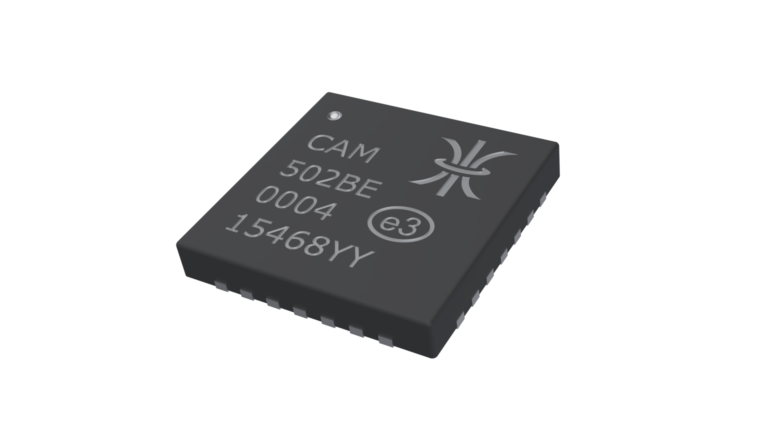
The CAM502 is a high-speed processor IC for resonant inductive position sensing. It can measure a single sensor at 5000 samples per second.
Read more CAM502Register to download software tools or get advice directly from CambridgeIC’s engineers
Log in with the email address and password you registered with.
This resource is available to registered CambridgeIC users.
Register for free access to CTU Software, CAD files and sensor blueprints.
Enter the email address you registered with and we’ll send you a link to reset your password.
If an account exists for that address, you’ll receive a password reset link shortly.
Register your account for complete access to all CambridgeIC resources.
Thank you for creating your account. You will receive an email shortly with your account confirmation. You will now be able to access all of our resources.