

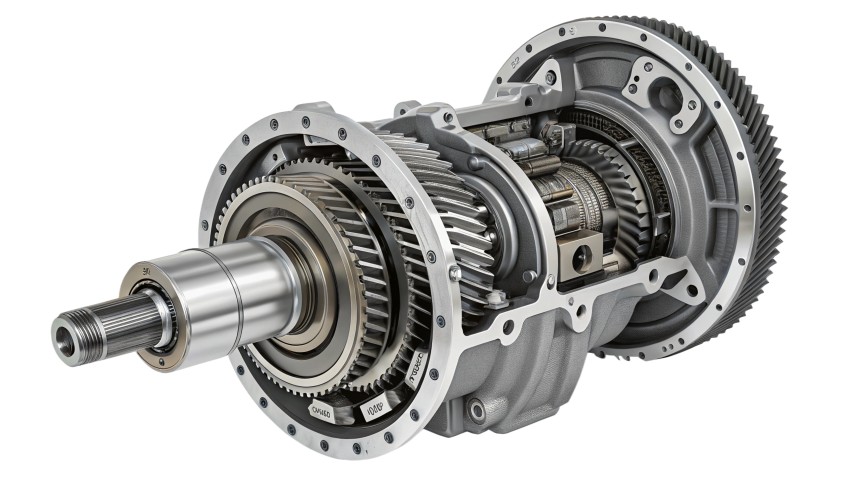
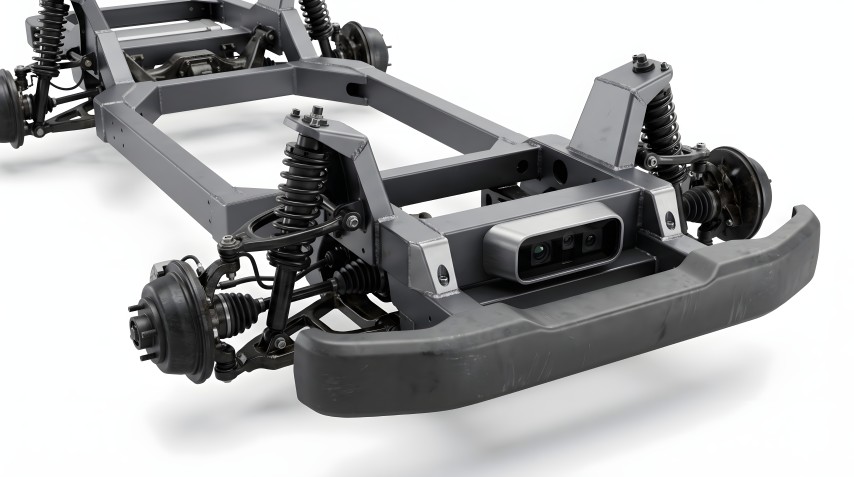
CambridgeIC’s resonant inductive position sensing technology is used in automotive transmissions and steering systems.
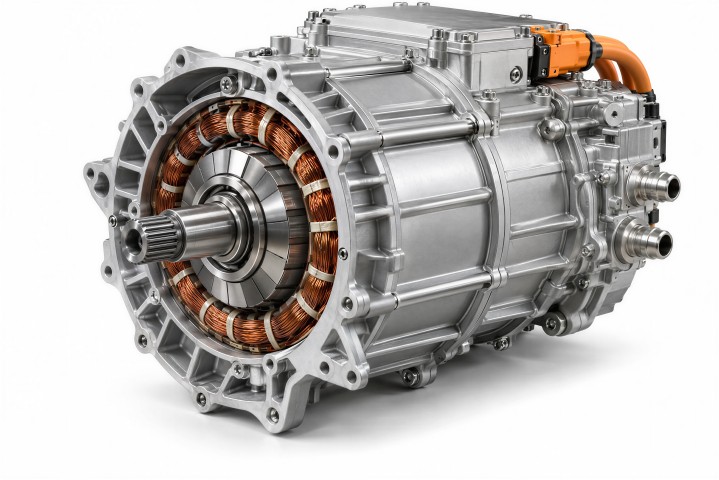
Traditional (non-resonant) inductive sensors have become widespread in automotive applications in recent years, replacing magnetic encoders with more limited performance. However they require small gaps, tight alignment and often calibration, and they drift with temperature. CambridgeIC’s resonant inductive position sensing technology eliminates these drawbacks and substantially improves accuracy and resolution for more demanding applications. For example its high resolution and accuracy and ability to operate with large gaps make it suitable for smooth and efficient traction motor control, replacing resolvers.
Please contact us to discuss how we support automotive applications, including their quality and safety requirements.

Relevant applications
Motor Control
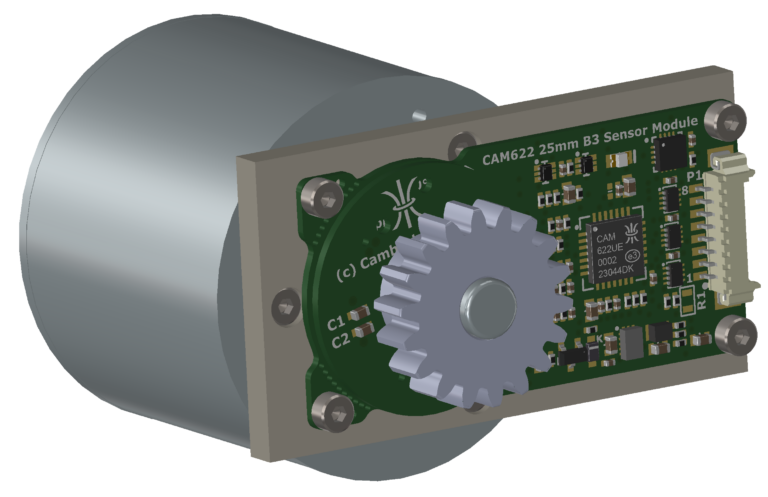
CambridgeIC's CAM622 processor IC is ideally suited to motor control applications requiring high quality position and velocity feedback.
Read more Motor Control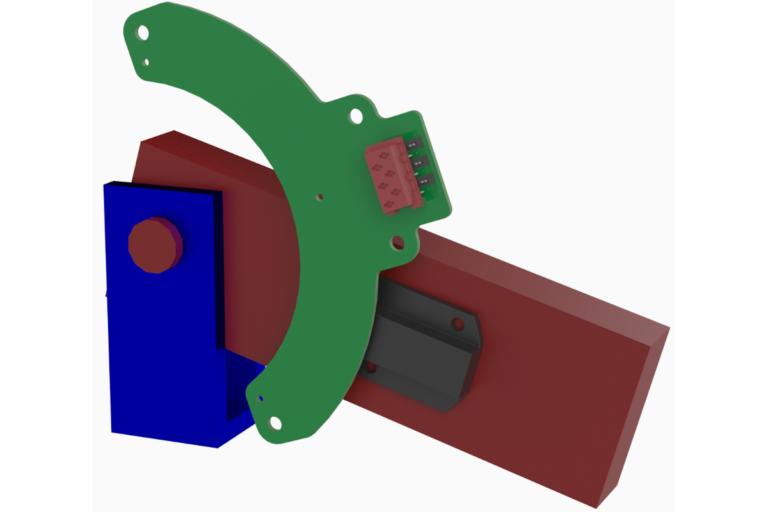
Arc Position
Arc Position Sensors from CambridgeIC measure the angle of a rotating target relative to a fixed sensor.
Read more Arc Position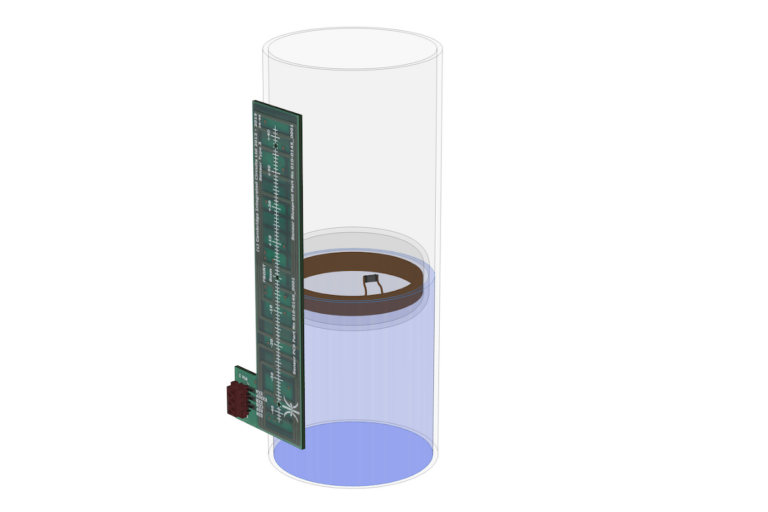
Float Level
Resonant inductive position sensing works through liquids and non-metallic housings to sense the location of a target.
Read more Float Level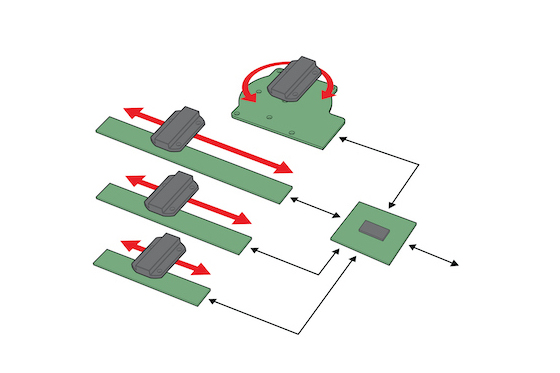
Multi Axis Sensing
The CAM312 and CAM204 Central Tracking Unit (CTU) ICs can work with multiple sensors, each built from conventional low-cost PCBs.
Read more Multi Axis Sensing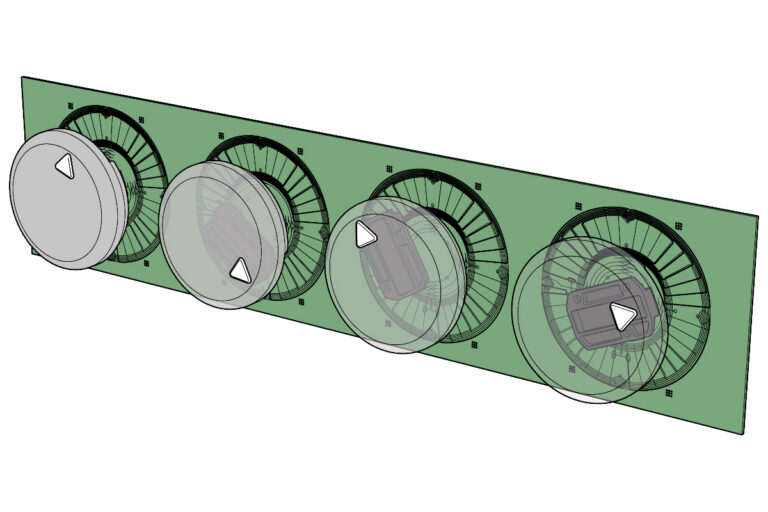
Dial Reading
CambridgeIC's largest Basic Rotary Sensors sense angle without contact, with large gaps allowed. This means they can be separated by thick plastic panels, helping product designers achieve the look and feel they need with a minimum of mechanical complexity.
Read more Dial Reading